

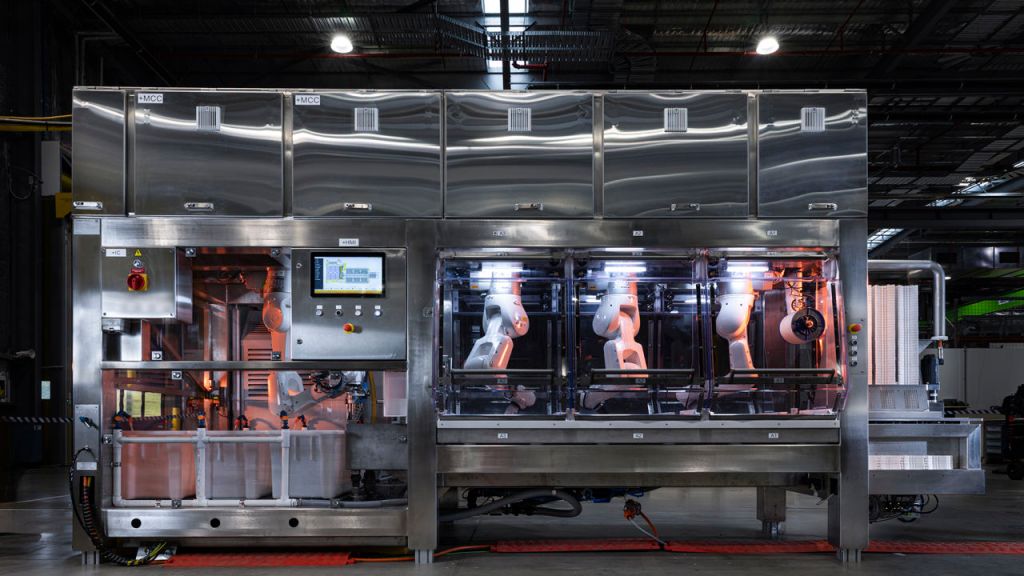
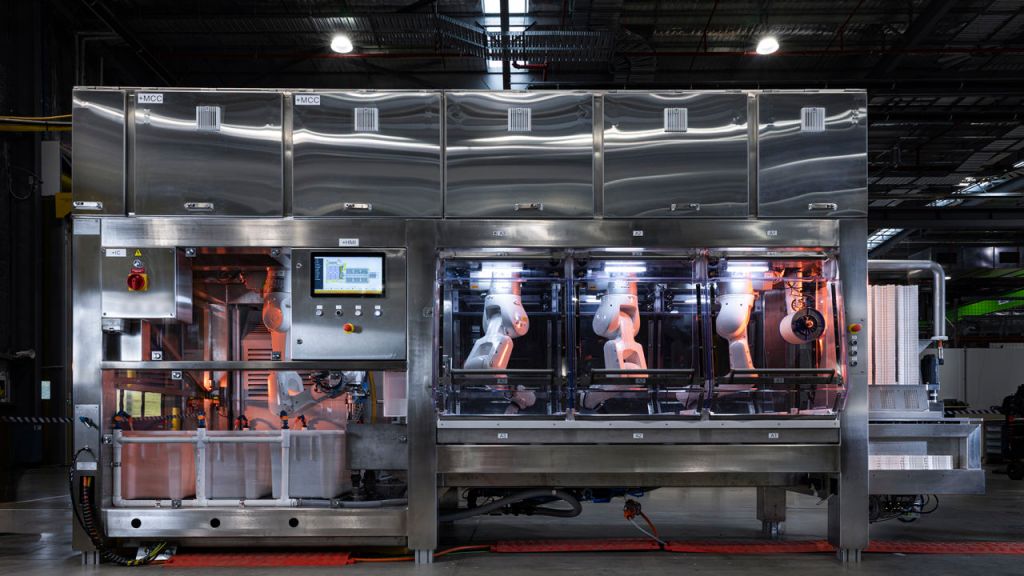
A recent reef restoration announcement caught my attention: a semi-automated system designed to speed up part of coral seeding. On paper, the claim is strong — reducing one manual step from around 90 seconds to as little as 10 seconds, while potentially increasing the number of coral seeding devices that can be produced.
That is genuinely interesting. Reef restoration needs innovation, especially where processes remain too manual, too slow, and too costly to scale.
But before calling it a breakthrough, it is worth asking a harder question:
Does this automate a real bottleneck in reef restoration, or just one visible step in a much larger chain?
Restoration is a pipeline, not a miracle
Coral restoration is not a single act. It is a pipeline: spawning, larval collection, settlement, device preparation, deployment, site suitability, survival, and long-term recovery.
Improving one step may well be valuable. But faster assembly is not the same as faster ecosystem recovery.
That distinction matters. A gain in operational efficiency only matters if the rest of the chain can absorb it — and if it leads to better ecological outcomes rather than simply better headlines.
The real question is not whether one step can be made faster, but whether that speed translates into lower cost, greater scale, and better long-term coral survival.
Mechanical restoration matters — but it is not the foundation
Mechanical reef restoration has a legitimate place in the conservation agenda. In some contexts, it may help damaged reefs recover, support priority species, and make targeted interventions more feasible.
But restoration should not be confused with the foundation of reef conservation itself.
The real foundations remain climate action, water quality, pollution control, effective protection, sound governance, and strong local stewardship. Without those conditions, restoration risks becoming an increasingly sophisticated response to a declining system.
Reefs will not be saved by machines alone.
The real test is ecological impact
If automation helps reduce a genuine bottleneck, lowers costs, and enables more meaningful scale, that is worth serious attention.
But the real test is not how quickly a component can be assembled.
The real test is whether this leads to:
- more effective deployment,
- better coral survival,
- stronger ecological outcomes over time,
- and a lower cost per real unit of reef recovery.
That is a much higher bar than engineering speed alone.
A disciplined optimism
Innovation is welcome. It may prove important. But reef conservation should stay careful not to confuse technical progress with ecological success.
Promising? Yes.
Potentially important? Also yes.
A proven game changer? Not yet.
That, to me, is the right way to read this kind of news: not cynically, but critically.
A faster machine is interesting. A recovering reef is the only proof that counts.
 Bart Vander Plaetse
Leave a comment